SOLAR STREET LIGHTS
Service Overview
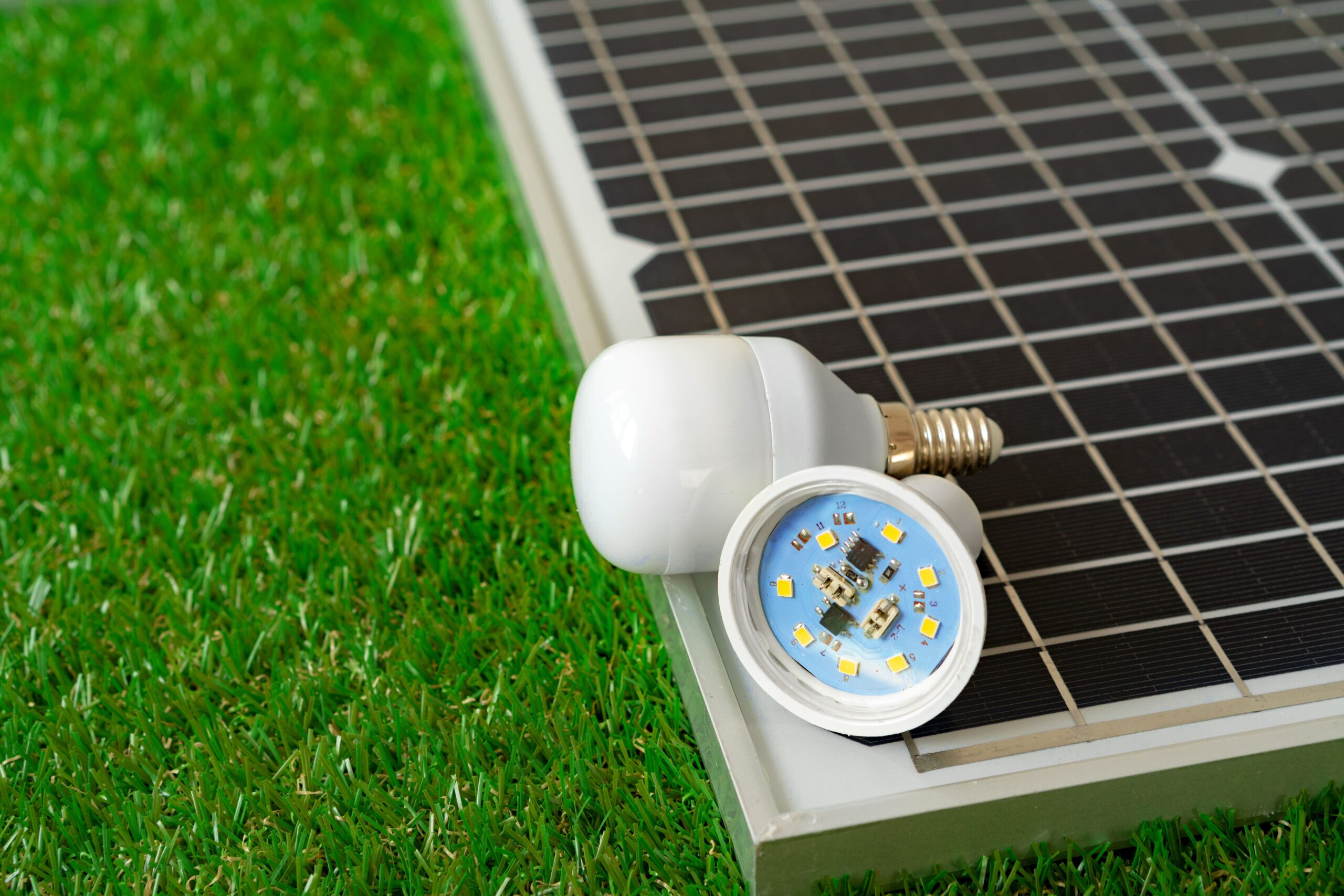
Solar street lights are outdoor lighting systems that use solar panels to capture sunlight and convert it into electricity. This clean and renewable energy source is then stored in batteries and used to power LED (light-emitting diode) lights during the night. Solar street lights are commonly used for outdoor lighting in public areas, streets, parks, pathways, and other locations where conventional grid electricity may not be readily available or is impractical.
Some key features
Components:
- Solar Panels: Photovoltaic panels mounted on top of the street light absorb sunlight during the day and convert it into electrical energy.
- Battery: A rechargeable battery stores the electricity generated by the solar panels during the day, providing power for the LED lights at night.
- LED Lights: Light-emitting diodes are energy-efficient and long-lasting, making them ideal for solar street lights. They provide illumination during the night.
Operation:
- During the day, solar panels charge the battery by converting sunlight into electricity.
- As daylight diminishes and ambient light levels drop, a light sensor or timer activates the LED lights.
- The stored energy in the battery powers the LED lights, providing illumination until dawn.
- The cycle repeats each day, making solar street lights a self-sustaining and off-grid lighting solution.
Advantages:
- Energy Efficiency: Solar street lights use clean and renewable energy, reducing reliance on conventional electricity sources.
- Environmentally Friendly: Solar lights produce no greenhouse gas emissions and have a minimal environmental impact.
- Reduced Operating Costs: Once installed, solar street lights have lower operating costs as they harness energy from the sun without ongoing fuel or electricity expenses.
- Independence from the Grid: Solar street lights operate independently of the grid, making them suitable for remote or off-grid locations.
Challenges and Considerations:
- Initial Cost: The upfront cost of solar street lights, including solar panels, batteries, and LED fixtures, can be higher than traditional grid-powered lights. However, the long-term savings and environmental benefits often justify the initial investment.
- Weather Conditions: The effectiveness of solar street lights depends on weather conditions and the amount of sunlight available. Cloudy days may affect charging efficiency.
- Maintenance: While solar street lights generally require less maintenance than traditional lights, occasional cleaning of solar panels and inspection of components are recommended to ensure optimal performance.
Read Useful FAQ’s
How do solar street lights work, and what happens on cloudy days or during winter months with less sunlight?
Solar street lights work by capturing sunlight during the day with solar panels, converting it into electricity, and storing the energy in batteries. The stored energy powers LED lights during the night. On cloudy days or during periods with less sunlight, the efficiency of solar charging may be reduced, but modern solar street lights are designed with energy storage capacity to ensure they can still operate during these conditions. Additionally, many solar street lights come with intelligent controllers that can adjust the lighting intensity based on the available charge, optimizing energy usage during challenging weather conditions.
What is the lifespan of solar street lights, and do they require much maintenance?
The lifespan of solar street lights depends on the quality of components used. Typically, high-quality solar panels, batteries, and LED lights can last for 10 to 20 years or more. LED lights, in particular, have a long lifespan and require minimal replacement. Maintenance for solar street lights usually involves periodic cleaning of the solar panels to ensure optimal sunlight absorption and inspections to identify and address any issues with components like batteries or the lighting system. Regular maintenance is relatively low compared to traditional street lights, making solar street lights a cost-effective and sustainable lighting solution.
Can solar street lights be installed in areas without direct sunlight, such as shaded streets or densely populated urban areas with tall buildings?
While solar street lights are most effective in locations with direct sunlight, they can still function in partially shaded areas. However, the charging efficiency may be reduced. In densely populated urban areas with tall buildings that cast shadows, it's important to strategically place the solar panels and lights to maximize exposure to sunlight. Some advanced solar street lights come with features like tilt-adjustable solar panels or the ability to install separate solar panels in sunnier locations and connect them to the lights through wiring. Before installation, a careful assessment of the specific site conditions is recommended to ensure optimal performance.
Downloads
Building & Refine Solar Energy Units Globally