ON GRID SYSTEM
Service Overview
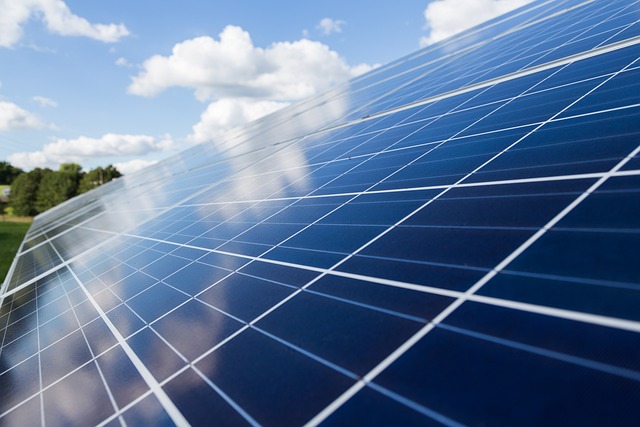
An on-grid solar system, also known as a grid-tied or grid-connected solar system, is a solar power generation system that is connected to the electric grid. This type of solar system works in conjunction with the utility grid, allowing the user to draw electricity from the grid when solar power production is insufficient and feed excess electricity back into the grid when the solar panels generate more power than is needed.
Some key features
- Solar Panels (Photovoltaic Modules): These are the main components that convert sunlight into electricity. Solar panels are typically mounted on rooftops or ground-mounted structures to capture sunlight.
- Inverter: The solar inverter is a crucial component that converts the direct current (DC) electricity generated by the solar panels into alternating current (AC), which is the type of electricity used in homes and businesses.
- Grid Connection: The inverter is connected to the utility grid, allowing for the exchange of electricity between the solar system and the grid. When the solar panels produce more electricity than is needed locally, the excess can be fed back into the grid. Conversely, when solar production is insufficient, electricity can be drawn from the grid.
- Net Metering: Many on-grid solar systems utilize net metering. This means that when the solar panels produce more electricity than the home or business consumes, the excess electricity is fed back into the grid, and the owner receives credit for it. During times when solar production is not sufficient, the user can draw electricity from the grid, using the accumulated credits to offset the cost.
- Monitoring System: On-grid solar systems often come with monitoring systems that allow users to track the performance of their solar panels and monitor the amount of electricity generated and consumed.
- Government Incentives and Feed-in Tariffs: In some regions, governments offer incentives, rebates, or feed-in tariffs to encourage the installation of on-grid solar systems. These incentives can help reduce the upfront cost of installing solar panels.
Read Useful FAQ’s
What happens during a power outage? Can I still use solar power?
No, in a standard on-grid solar system, you cannot use solar power during a power outage. This is a safety feature designed to prevent electricity from flowing back into the grid and posing a danger to utility workers. When the grid goes down, the inverter automatically shuts off. If you want backup power during outages, you may consider adding a battery storage system to your solar setup.
How does net metering work, and can I make money from it?
Net metering allows you to receive credits for excess electricity your solar system generates and feeds back into the grid. During times when your solar panels produce more electricity than your home or business consumes, the excess is sent to the grid, and you receive credits on your electricity bill. While you may not make money in the traditional sense, these credits can offset the cost of electricity you draw from the grid when solar production is insufficient.
Do on-grid solar systems require maintenance?
Generally, on-grid solar systems require minimal maintenance. Solar panels are durable and have no moving parts. Periodic cleaning to remove dust and debris from the panels may improve efficiency. Inverters, which are more prone to wear, may need occasional maintenance or replacement over the system's lifespan. Regular monitoring of your system's performance is recommended to ensure it is functioning optimally.
Downloads
Building & Refine Solar Energy Units Globally