SOLAR DRYERS
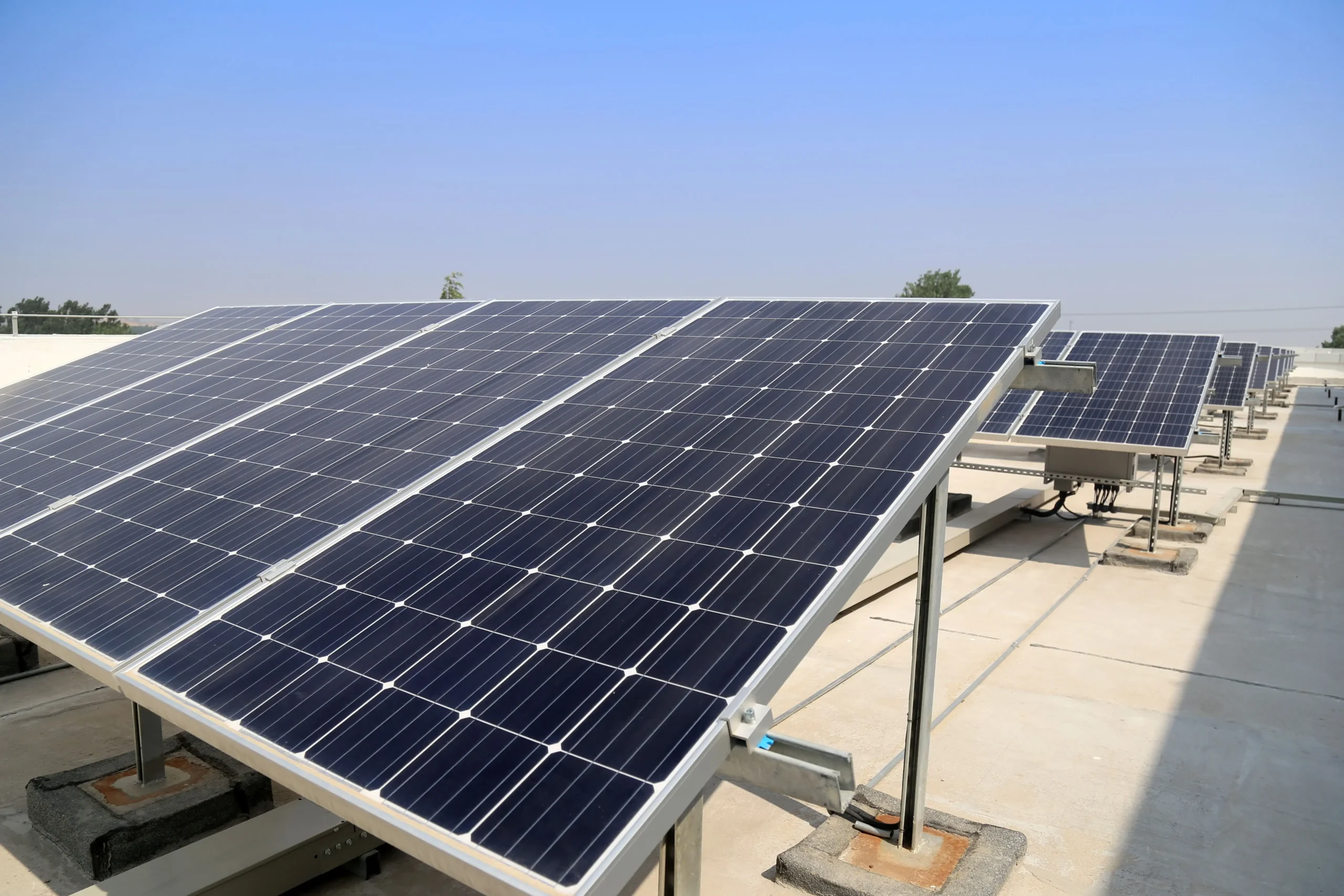
Service Overview
Solar dryers are devices that use solar energy to remove moisture from agricultural produce, food, or other materials. These dryers harness the power of the sun to accelerate the drying process, providing an energy-efficient and environmentally friendly alternative to traditional drying methods. Solar dryers come in various designs and configurations, each tailored to specific applications and environmental conditions.
Direct Solar Dryers:
Open Sun Drying: This is the simplest form of solar drying, where the produce is spread out in the open sunlight. While this method is straightforward, it lacks protection from environmental factors and pests.
Solar Cabinet Dryers: These are enclosed boxes with a transparent cover that traps solar radiation. The produce is placed on trays inside the cabinet, and natural convection or a small fan facilitates air circulation for drying.
Indirect Solar Dryers:
Solar Tunnel Dryers: Consisting of a tunnel-like structure covered with transparent material, solar tunnel dryers allow for the efficient collection and trapping of solar energy. Air circulation is achieved through natural convection or forced airflow.
Solar Kiln Dryers: Designed for drying wood or timber, solar kiln dryers provide a controlled environment for moisture removal. They include a transparent cover and an insulated chamber, allowing for precise control over temperature and humidity.
Mixed-Mode Solar Dryers:
Solar-Assisted Heat Pump Dryers: These dryers combine solar energy with a heat pump system to achieve higher drying efficiencies. The heat pump extracts moisture from the air, and solar energy helps regenerate the heat pump working fluid.
Solar-Biomass Hybrid Dryers: Integrating both solar and biomass energy sources, these dryers provide a continuous and reliable drying process. Solar energy is used during sunny periods, while biomass is utilized when solar radiation is insufficient.
Key Components and Features of Solar Dryers:
Collector: The collector is a crucial component that absorbs solar radiation and converts it into heat. Common collector types include flat-plate collectors or solar concentrators.
Drying Chamber: This is the space where the produce or material is placed for drying. The design of the chamber influences factors such as airflow, temperature, and humidity.
Air Circulation System: An effective solar dryer includes a mechanism for promoting airflow within the drying chamber. This can be achieved through natural convection or by using fans.
Transparent Cover: A transparent cover, often made of glass or plastic, allows sunlight to enter the drying chamber while preventing heat loss.
Control System: Some advanced solar dryers include control systems to monitor and regulate temperature, humidity, and airflow, ensuring optimal drying conditions.
Advantages of Solar Dryers:
Energy Efficiency: Solar dryers utilize renewable energy, reducing reliance on traditional energy sources and lowering operational costs.
Environmentally Friendly: Solar drying produces minimal environmental impact, as it avoids the use of fossil fuels and reduces greenhouse gas emissions.
Improved Product Quality: Controlled drying conditions in solar dryers can lead to better product quality by preserving the color, flavor, and nutritional content of the dried materials.
Cost Savings: While there is an initial investment in the construction of solar dryers, the long-term operational costs are generally lower than those associated with conventional drying methods.
Solar dryers are widely used in agriculture, food processing, and other industries to dry fruits, vegetables, grains, herbs, and various materials. The choice of a particular solar dryer type depends on the specific application, available resources, and environmental conditions at the location.
Read Useful FAQ’s
What happens during a power outage? Can I still use solar power?
No, in a standard on-grid solar system, you cannot use solar power during a power outage. This is a safety feature designed to prevent electricity from flowing back into the grid and posing a danger to utility workers. When the grid goes down, the inverter automatically shuts off. If you want backup power during outages, you may consider adding a battery storage system to your solar setup.
How does net metering work, and can I make money from it?
Net metering allows you to receive credits for excess electricity your solar system generates and feeds back into the grid. During times when your solar panels produce more electricity than your home or business consumes, the excess is sent to the grid, and you receive credits on your electricity bill. While you may not make money in the traditional sense, these credits can offset the cost of electricity you draw from the grid when solar production is insufficient.
Do on-grid solar systems require maintenance?
Generally, on-grid solar systems require minimal maintenance. Solar panels are durable and have no moving parts. Periodic cleaning to remove dust and debris from the panels may improve efficiency. Inverters, which are more prone to wear, may need occasional maintenance or replacement over the system's lifespan. Regular monitoring of your system's performance is recommended to ensure it is functioning optimally.
Downloads
Building & Refine Solar Energy Units Globally